


In the 2019-20 season (a season shortened by the Covid-19 pandemic), the 33-and-40 Orlando Magic crawled into the playoffs as the eighth seed. After failing to move past the regular season for six-straight years, this was the second year in a row that they made it to the postseason.
Orlando could have kept their core together and lived in perpetual mediocrity after flaming out in round one of the playoffs two years running, but they weren’t content with that.
For the next three seasons, the Magic endured another three-year playoff drought. But this playoff-drought looked a bit different. Three years after the ‘19-20 season, Jonathan Isaac was the only remaining player from the ‘19-20 squad. The rebuild had begun.
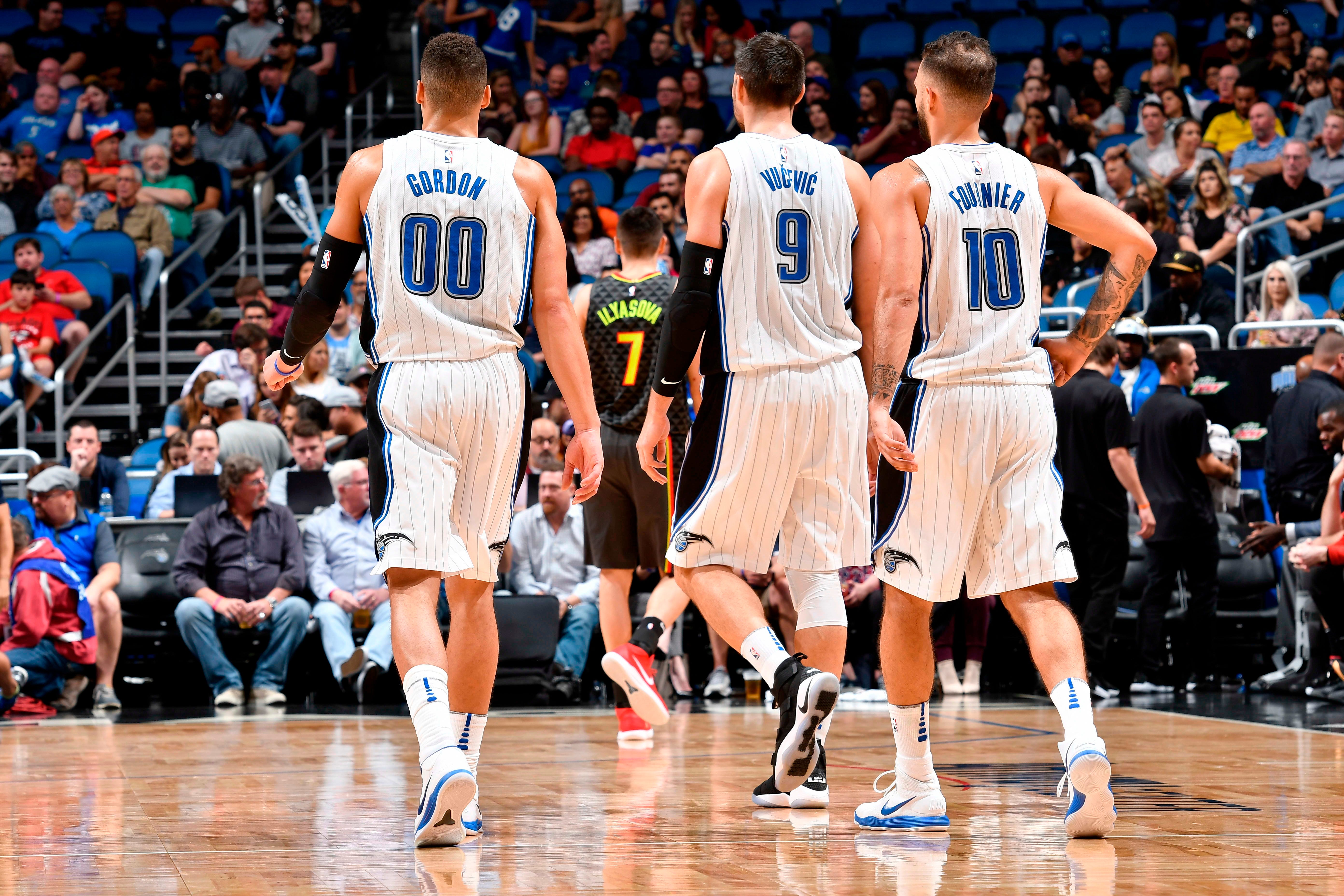
During the ‘20-21 trade deadline, Jeff Weltman, the Magic’s President of Basketball Operations, wasted zero time tearing down their roster and rebuilding. Weltman and Company completed a multitude of trades centered around Nikola Vucevic, Evan Fournier, and Aaron Gordon. Each of these players had played with Orlando for at least seven years. They were staples of the team.
The organization traded Vucevic and Al-Farouq Aminu to the Chicago Bulls for Wendell Carter Jr., Otto Porter Jr., and two first round picks (Franz Wagner and Jett Howard).
Aaron Gordon went to the Denver Nuggets for Gary Harris, RJ Hampton, and a future first (Jase Richardson).
Fournier got dealt to the Boston Celtics for two future seconds.
The Magic ended the ‘20-21 season with just 21 wins, eleven less than they won during the shortened Covid-19 season the year before. That sounds bad, right? In reality, the ‘20-21 season and the draft classes to come is what put the Orlando Magic back on the map.
The Magic drafted Jalen Suggs at 5th overall and Franz Wagner at 8th overall in the 2021 NBA draft. Wagner came thanks to the pick Orlando acquired from the Vucevic deal with Chicago. In the 2022 draft, the team landed the 1st overall pick and added Paolo Banchero. With Paolo, Franz, and Suggs, the Magic finally had a core they could believe in. There’s money that backs this belief — as of the beginning of the 2025 NBA season, Paolo, Franz, and Suggs have now received contract extensions that could be worth up to $661,738,150 total. This is a jarring amount, especially for fans who aren’t privy to what Orlando is building.
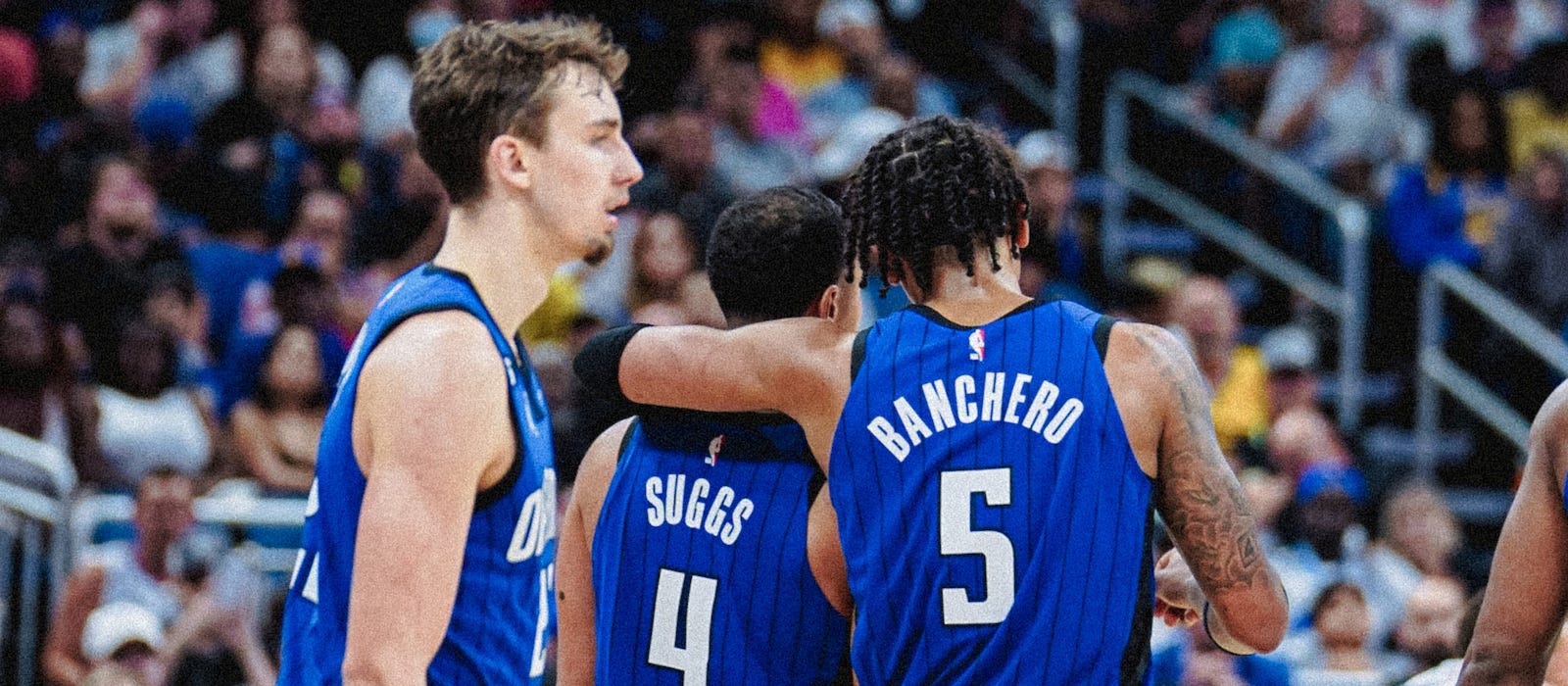
On paper, there are a lot of similarities between the current 2025 Magic team and the one that was torn down after the 2020 season. This current team snapped a 3-year playoff drought. The ‘19-20 core snapped a 6-year playoff drought. This team has now made two consecutive trips to the playoffs. The ‘19-20’ Magic made two consecutive trips to the postseason as well. Those comparisons end exactly where they begin: on paper. This Magic team is different.
The ‘20-21 team lacked a true franchise cornerstone. This team has two, in both Franz Wagner and Paolo Banchero. They also have an all-defense caliber backbone in Jalen Suggs. AND these three player are all just 24 years or younger.
The Wagner, Banchero, Suggs-led squad is not without its weaknesses. In ‘23-24, the Magic finished as the seventh worst 3-point shooting team in the league, averaging just 34.8% from deep while also making the fewest 3-point shots per game at 11.0.
When your two franchise cornerstones both excel at ball-handling and rim pressure, a lack of perimeter shooting is a huge Achilles heel. It greatly limits the space both Franz & Paolo have to operate with.
The Magic attempted to address those issues in the 2024 offseason by adding an experienced shooter in Kentavious Caldwell-Pope. The organization handed him a $66,000,000 contract in the process. This move did not pan out. The Magic’s ‘24-25 season was not only marred by a plethora of injuries, but their shooting struggles actually got worst. The ‘24-25 squad had a league worst 31.8% 3-point percentage — 2nd-worst was 33.5%, for context — and a measly 11.2 3-pointers made per game (also a league low).
The shooting woes were one thing for this ‘24-25 team, and injuries became another. The same core the Magic invested $661,738,150 missed a combined 101 games last season. Franz and Paolo both battled oblique injuries. Jalen Suggs, who was a lock for a second-straight all-defensive team, was ruled out for the season in January after undergoing arthroscopic surgery for a left knee injury.
Despite the shooting struggles and the injuries, the ‘24-25 Magic found ways to shine. Without their defensive star in Suggs, the Magic pushed into the 2025 postseason and put up quite a fight, starting with a dominant play-in win against the Atlanta Hawks. In round 1, the Magic went blow-for-blow with the defending-champion Boston Celtics before being eliminated in a 5-game series.
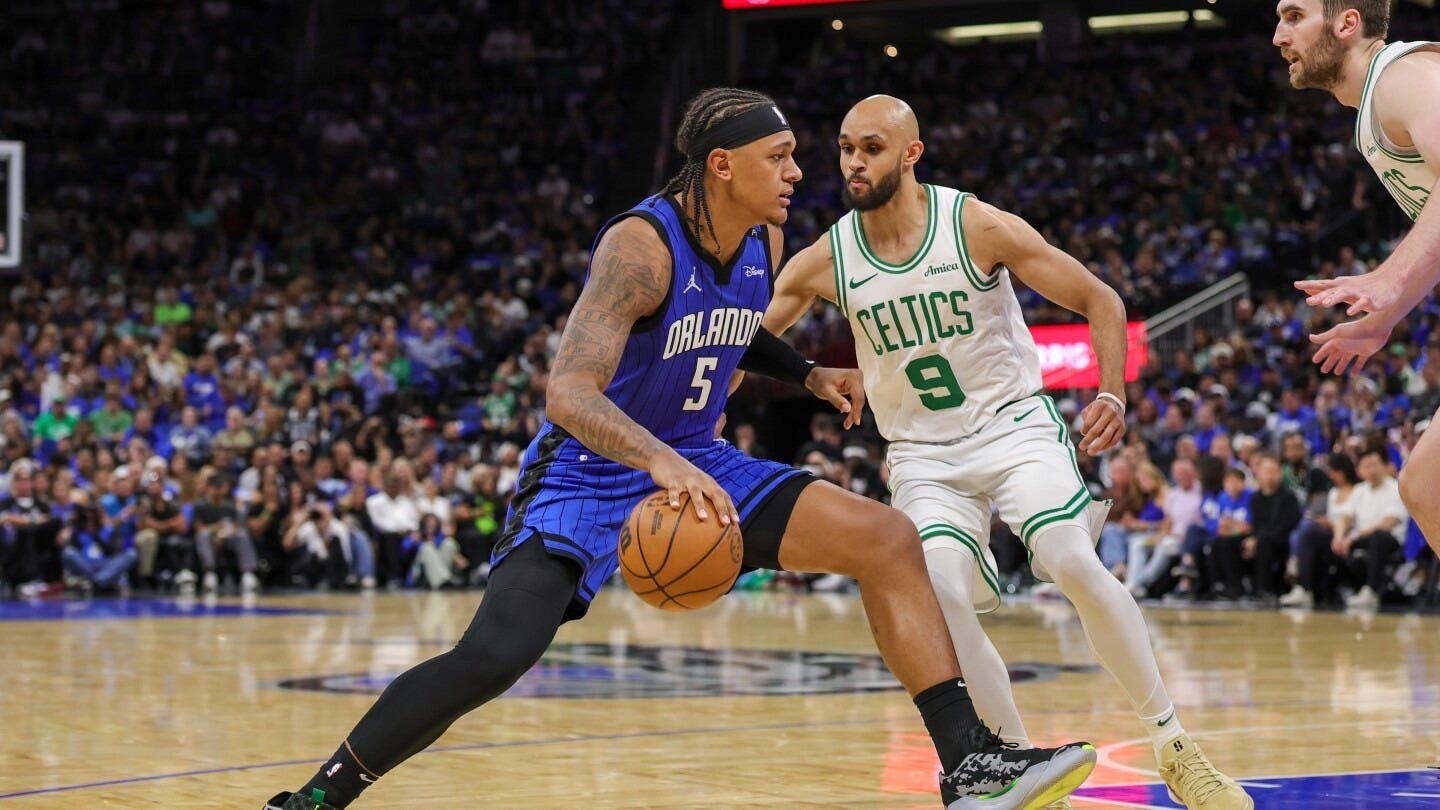
Orlando shot a horrific 26.3% from deep in the playoffs, by the way. Notice a trend? When they can’t shoot, they lose.
Yes, the Magic have cornerstones that give them a strong foundation, but the shooting (or lack thereof) continues to be a glaring weakness. That weakness is preventing this new-look Magic team from succeeding, causing collapse after collapse.
While preparing for the ‘25-26 season, how can you build upon a $661-million-dollar investment? And shore up your weaknesses? And make use of the wide-open Eastern Conference contention window following season-ending injuries to star rivals Jayson Tatum and Tyrese Haliburton’s?
First, you address the faults in construction.
Kentavious Caldwell-Pope, the team’s $66 million man, was objectively dissapointing. His 3-point percentage (34.2%) was the lowest it had been since the ‘15-16 season. Shooting 26% from deep in the playoffs left a lot to be desired by Magic fans.
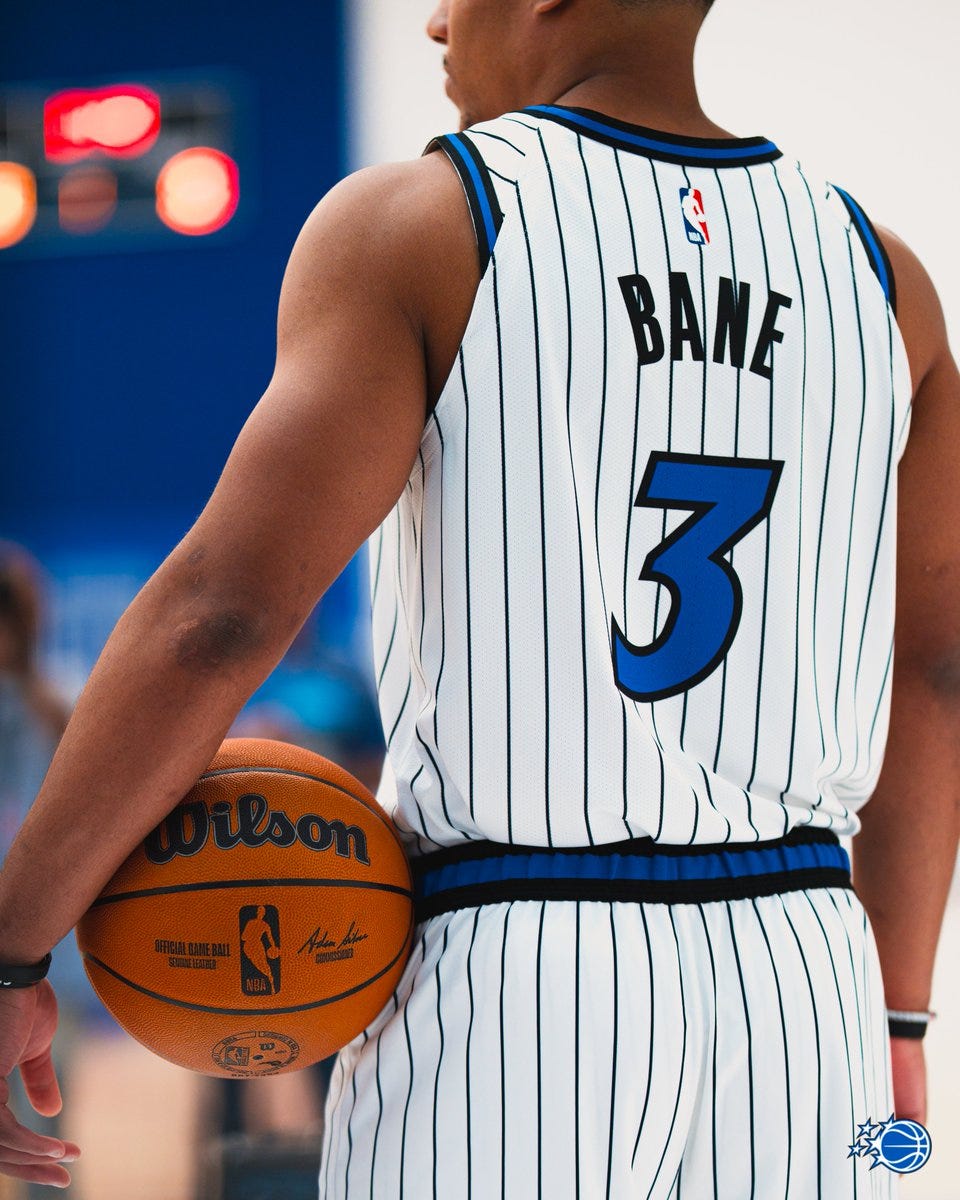
Weltman and Co. had no choice but to bite the bullet and get KCP’s contract off the books. The organization traded KCP, Cole Anthony, four first-round draft picks, and a 2029 pick swap to the Memphis Grizzlies in exchange for Desmond Bane during the 2025 offseason. Pulling the trigger on moving KCP not only corrected a major fault in Orlando’s roster construction, but also catapulted them from being playoff attendees to true playoff contenders.
Bane is not some patchwork attempt to fix Orlando’s biggest weakness. He’s a catalyst that addresses their shooting needs while also giving them an escape valve (with playoff experience). Bane can steady the ship and run the offense while Franz and Paolo are on the bench or struggling to create.
Bane’s 39.2% average from 3-point range would’ve ranked second on the team in the injury-riddled ‘24-25 season, just a hair behind Caleb Houstan’s 40.0%. However, Bane was shooting over twice as many threes per game compared to Houstan (6.1 attempts to 2.8 attempts). 37% of Bane’s threes were unassisted. Bane’s 3-point impact is something the Magic haven’t seen for quite some time.
In addition to bringing Bane aboard, Orlando added Tyus Jones, a career 38% shooter from deep. The Magic also nailed the draft, adding a versatile defensive weapon in Noah Penda and an undersized guard in Jase Richardson, whose playstyle and skillset is tailor-made to exist alongside Franz & Paolo.
On their own, those additions aren’t enough to turn Orlando into true contenders. The organizations expects internal growth from their 2023 and 2024 draft picks. Anthony Black (drafted in 2023) and Tristan da Silva (drafted in 2024) provide crucial minutes off the bench as a 2-way playmaker and jack-of-all-trades, respectively.
Internal growth just from those their young guns and bench pieces isn’t quite enough, either. To really turn the corner and become the contenders they have the potential to be, their two franchise building blocks, Paolo Banchero and Franz Wagner, need to elevate their games (and specifically their shooting). The Magic go where Paolo and Franz go, and shooting 32% and 30% from deep, respectively, won’t cut it anymore for a team with championship aspirations.
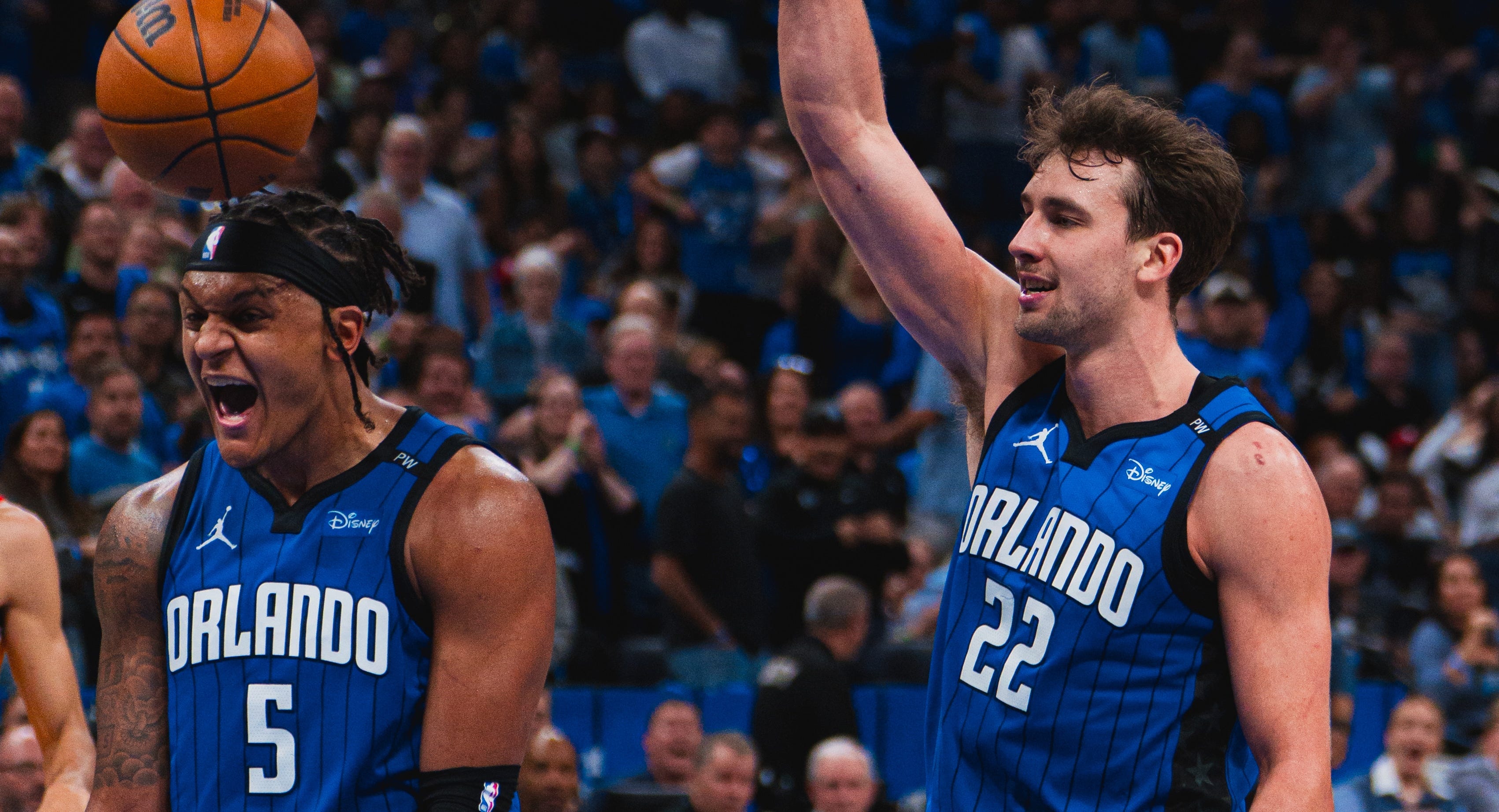
On paper, and factoring in the expected growth from their young core, the Orlando Magic seem primed for more than a play-in appearance. Many, including myself, have tabbed the Magic as a sleeper to have home-court advantage, finish as a top-4 seed, and make the Eastern Conference Finals.
But a slow 1-and-4 start to the year quickly clouded those once bright aspirations, causing question after question to rack up with each respective loss.
Is the offense really better?
Has the spacing improved?
Was this core worth the money?
Can Paolo really take the next step?
Can Paolo and Franz coexist?
From the outside looking in, people started calling this team a pretender, just five games into the season. After all, it would take a miracle to finally break through and win the Organization’s first championship, right?
This team is young. Young players — especially those with the skills, talent, and confidence of Franz and Paolo — don’t care about generational curses pulling them down. They don’t care about the weight of expectations placed upon them by external sources. They don’t care about having to battle through injury after injury. They just play ball, and they do so to the best of their abilities game-in and game-out.
Just playing ball is exactly how the ‘25'-26 Magic have answered the questions that were flooding their ears after a 1-4 start (a start in which the Magic, as a team, shot just 31.4% from beyond the arc).
Over their 2-game winning stream, which has brought them to 3-4, the Magic offense has looked reinvigorated, mostly by their increased spacing. Being able to play 5-out has given Franz & Paolo bigger driving lanes than ever, and the duo has taken advantage.
Six games into the season, Paolo is shooting from within 0-3 feet of the rim more often then he ever has — 30% of his attempts are from within that area, up from just 21% last season. Banchero is also getting to the free-throw line more frequently, averaging a career-high 9.9 free-throw attempts per game (previous high: 8.4 in ‘24-25) with a .605 free-throw rate (previous high: .476 in ‘22-23).
While Paolo has made most of his strides on the interior, Franz Boogie — this is one of the best nicknames in the NBA, by the way — is working to get his groove back from behind the three-point line. He’s struggled to get into a rhythm from deep over the last two seasons, shooting just 28% in ‘23-34 and 30% in ‘24-25. This year, Wagner is making 43% of his 4.3 per-game attempts from deep. Even if that number falls down into the 38-40% range, having a Franz Wagner who can consistently hit those treys will make the Magic so much more dangerous.
In addition to hitting more shots, Franz, like Paolo, is playing to his strengths in other ways, too. Franz is establishing his dominance on fast breaks and in transition, where he is a 91st percentile scorer (1.54 points per possession) who averages 7.4 points per game from transition alone — up from just 4.6 points per game last year. 7.4 PPG is good for seventh-best in the entire NBA.
And guess who’s eight-best in those transition scoring metrics? No one other than Paolo himself, who averages 7.3 per game. As a team, the Magic are playing a lot faster than they did last season, combining for 28.7 transition points per game (eighth-highest in the NBA). That’s a drastic change from last year, where they averaged just 19.8 transition points per game (fourth-worst in the NBA).
When this team is playing differently (shooting more threes, playing quick, using their size, etc.), they look every bit as good as we thought they could be. It’s just about doing that consistently.
In their four losses, the Magic averaged just 27.8 three-point attempts per game while hitting just 29% of them. If those numbers hold, they would be the worst in the league by far. They can’t allow what they’ve built to fall victim to the same faults that have hamstrung them for the past few years. In their three wins, they’ve averaged 35 3PA/g and made 35% of them.
This team’s success is so clearly tied to their spacing. Head coach Jamahl Mosley needs to understand that point and make it a priority in the game plan every night. Even if shooting will never be Banchero’s and Wagner’s greatest strength, it’s exactly what allows their other strengths to shine.
The core of the Orlando magic is young and only scratching the surface of their potential. At the same time, they are beginning to knock on the door of the playoffs as a perennial contender. How far that door opens depends on a multitude of factors: their ability to take and make threes, their willingness to incorporate a more diverse and fast-paced offense into the game plan, and their potential to take steps forward both as individuals and as a team.
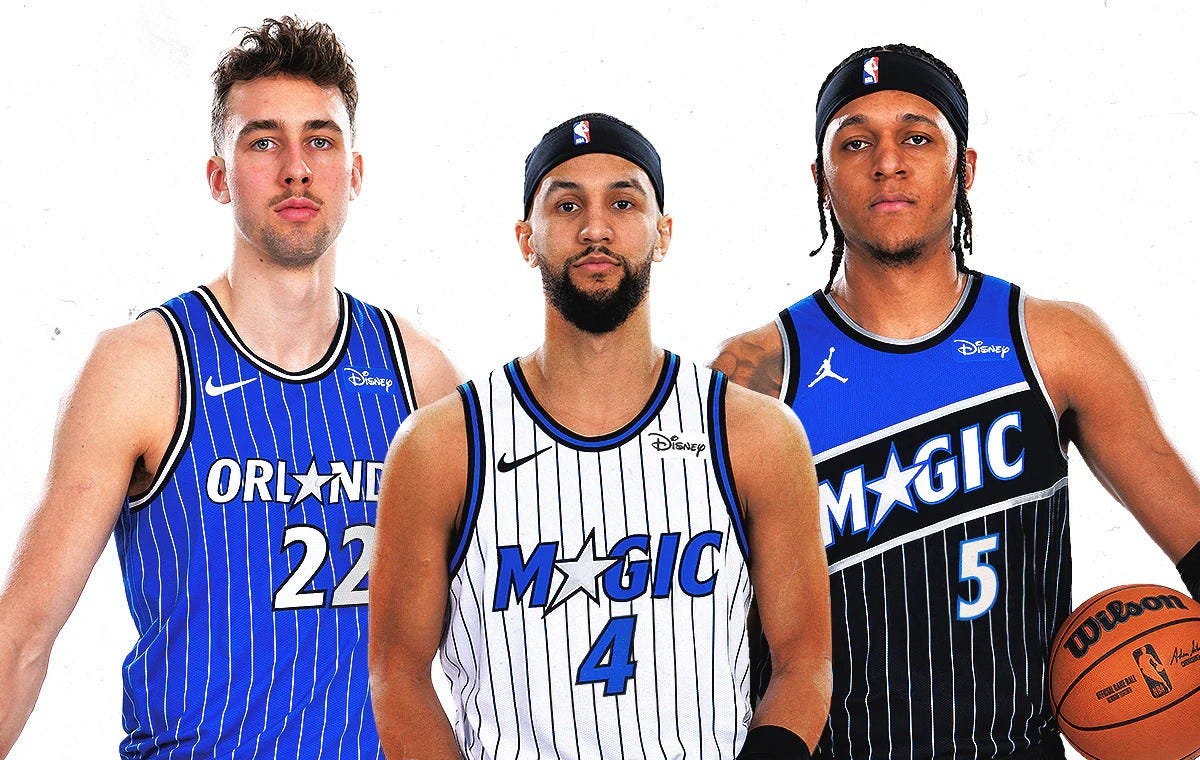
But if everything lines up?
It won’t matter if you believe in Magic or not; after all, this team is used to be an underdog.